
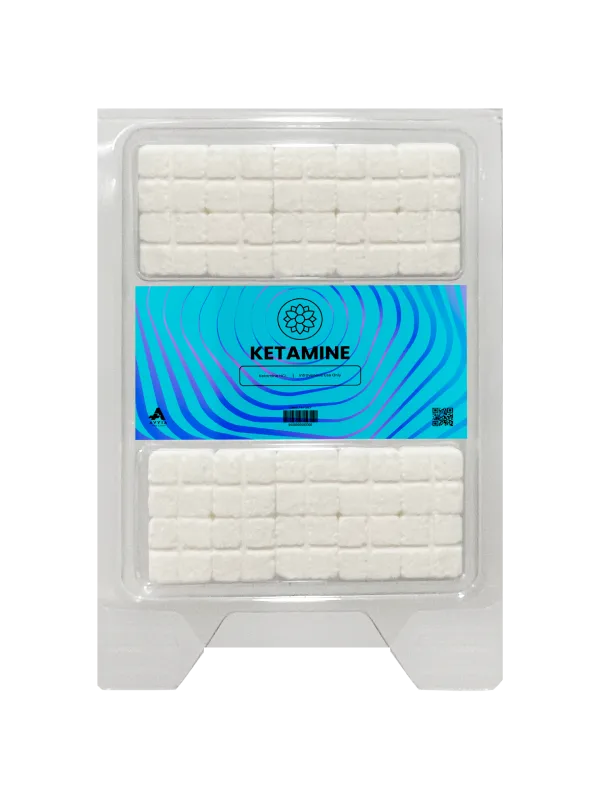
Microdosing Tablet
$129 per month$4 per daily dose
Includes telehealth, follow-ups and medication
Suicidal Ideation
Suicidal ideation means thinking about, considering or planning suicide. It can range from a passing wish not to wake up to detailed plans, and it often occurs with depression, anxiety, bipolar disorder or PTSD, or after a major loss or life stress.
Not everyone who has these thoughts will act on them, but frequent suicidal thoughts always deserve a prompt professional assessment. If the thoughts turn into a plan or grow more intense, seek emergency help right away.
In crisis right now? Call or text 988 (Suicide & Crisis Lifeline) or call 911.
Planned, supervised ketamine treatment for persistent suicidal thoughts and the conditions behind them.
Free ConsultationA 2018 analysis of clinical trials in the American Journal of Psychiatry found that a single dose of ketamine reduced suicidal thoughts within one day, with benefits lasting up to a week. Ketamine also treats the depression and anxiety that often underlie suicidal thinking.
Ketamine is not an emergency service. AVYIA’s treatment is planned and supervised, and it works best with a support network around you: family, friends, and a therapist, whether one of ours or your own.
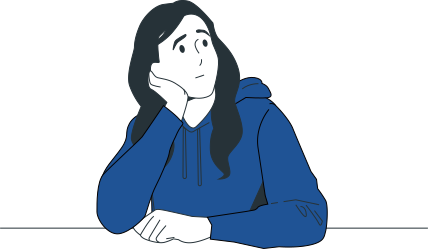
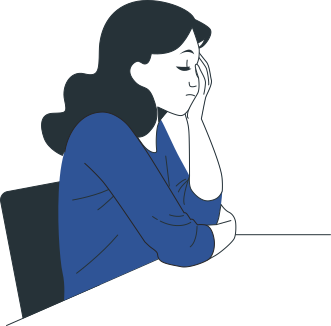
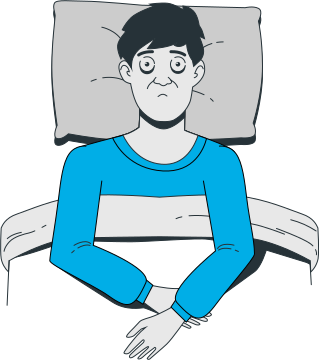
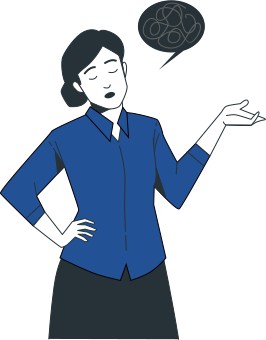
It is essential to recognize the symptoms early if you, a friend, or a family member experience suicidal ideations. Recognition of these signs can help you seek timely assessments and potentially life-saving interventions. Suicidal ideation signs and symptoms vary from individual to individual, but they may exhibit one or many of the following signs:
Although “suicidal depression” is not an official clinical diagnosis, it typically refers to individuals who have major or clinical depression and are experiencing suicidal thoughts. It’s important to note that not everyone will exhibit the same signs, and some individuals may conceal their feelings. However, here are some common symptoms that may be indicative of suicidal ideation:


Conventional treatments for suicidal ideations often target the mental health issues that contribute to or exacerbate them. This often involves talk therapy and medications for conditions like depression, anxiety, and mood stabilization. In emergency situations, inpatient therapy is often used to manage safety. This process can sometimes take weeks or months to make sufficient and effective progress.
However, ketamine therapy offers a unique approach to treating suicidal ideation. Unlike traditional medicines such as SSRI’s, ketamine therapy can provide possible relief in a matter of hours, rather than weeks to months. Ketamine can quickly restart connections in the brain, promoting neuroplasticity and treating even the most persistent of mental health conditions. More and more doctors and scientists have observed ketamine’s safety and effectiveness, and it’s remarkable promise in treating mental health disorders and suicidal ideation.
Ketamine therapy can be especially beneficial for those who struggle with long-term treatment compliance. Taking pills and going to therapy for months on end can be hard for some. For those that prefer immediate results that lasts, AVYIA’s IV ketamine program consists of 6 treatments over 3 weeks. AVYIA does not recommend patients come off of their existing treatment programs. However, ketamine therapy is a great addition to existing treatment regimes, as well as a great alternative. AVYIA’s ketamine therapy has helped many patient’s suffering from acute and chronic mental health diseases in a more timely manner.

If you’ve tried any or all the below treatments and have found less than optimal relief, or short-lasting relief, then ketamine is worth exploring. It can be overwhelming to constantly battle mental health illness and navigate through the health care system, so we are happy to provide a free consultation to discuss whether ketamine is a good fit for you.
Here are some other types of treatment interventions:
These sessions with a therapist can be beneficial, but they require significant commitment, and it's not always clear when they will provide relief.
It's common to treat related depression and anxiety with medication, but finding an effective fit can be challenging. They take time to test, and their effectiveness can decrease over time.
When prescribed treatments aren't effective or affordable, patients may risk self-medication.
Several studies have investigated the use of TMS for suicidal ideation, and although there have been some positive findings, the results have been mixed for many.
A procedure that involves passing electrical currents through the brain to intentionally induce a controlled seizure. ECT can be effective, but the cost and time commitment can be overwhelming.
Inpatient therapy can be helpful for assessing care plans, but it's temporary and can quickly become emotionally and financially draining for suicidal patients.
Treatment options
Not everyone who is thinking about suicide desires death. For many, it’s a cry for help because they don’t see any other option. Help does indeed exist and there is a way out. If you or someone you know is struggling with suicidal thoughts, encourage them to seek immediate support from a mental health professional or call/text “988” Suicide & Crisis Lifeline.
AVYIA believes that ketamine can save and change lives. We also don’t believe in false promises or claims. All of our treatment programs are evidenced-based, and science-backed. In addition to the treatment of mental health illnesses, AVYIA hopes to provide support to those who are struggling and in need of healing. Its transformative effects can bring relief, allowing individuals to break free from the depths of despair and embrace life with newfound strength and clarity. This effective treatment can foster a sense of renewal, guiding the mind away from darkness and empowering the will to live.
We encourage our patients to continue working with their therapists and counselors when receiving ketamine therapy. Patients have reported that ketamine treatment can help them approach their situation more objectively, with less despair and apprehension.
$129 per month$4 per daily dose
Includes telehealth, follow-ups and medication
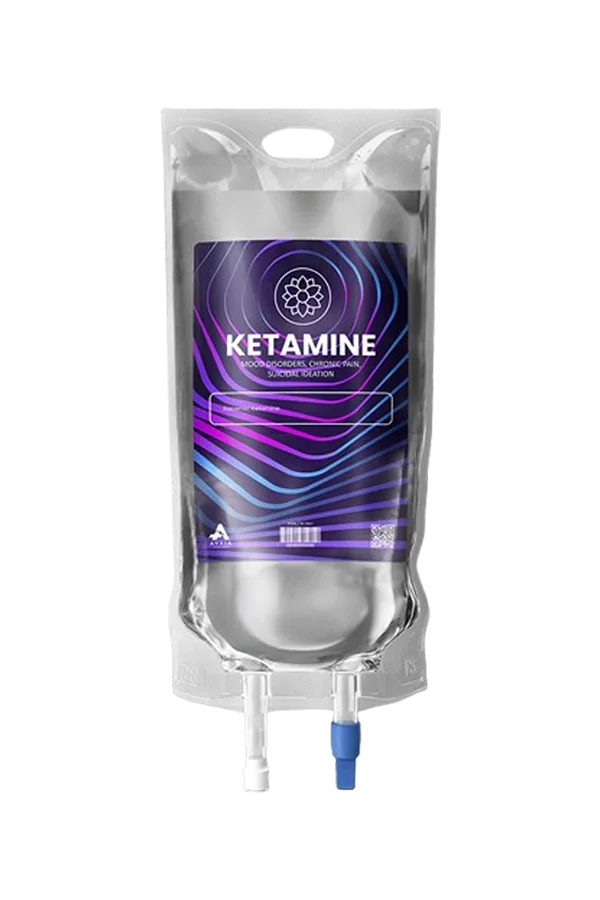
$499 per monitored session6 sessions over 2-3 weeks
Includes telehealth, home visits and medication
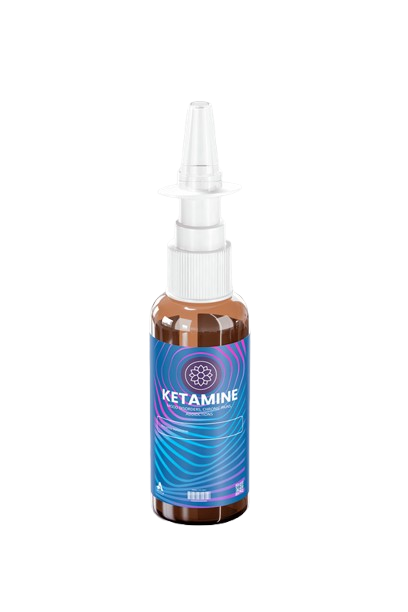
$449 per monitored session8 sessions over 4 weeks
Includes telehealth, home visits and medication
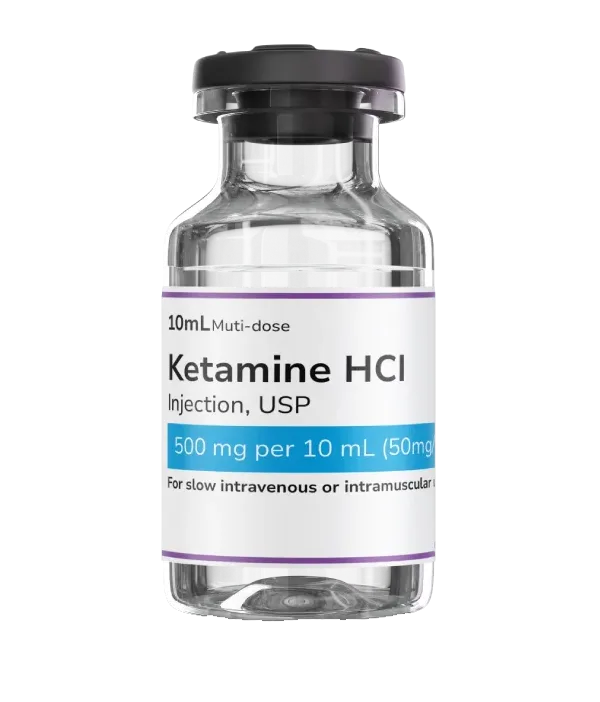
$429 per monitored session8 sessions over 3-4 weeks
Includes telehealth, home visits and medication
O
Suicidal ideation—the presence of thoughts about ending one’s life—can arise when depression or other mental health conditions are left untreated. It is a serious symptom and often reflects deep emotional pain, hopelessness, or overwhelming distress. Anyone experiencing suicidal thoughts should seek professional support immediately—help is available, and healing is possible.
Several common factors may contribute to suicidal ideation, including:
Persistent feelings of hopelessness or worthlessness
Traumatic experiences, such as emotional or physical abuse, the death of a loved one, or major life crises
Social isolation or lack of a support network
Financial hardship or relationship difficulties
Substance abuse, which can worsen mood and impulsivity
History of suicidal thoughts or behaviors
At AVYIA, we recognize the urgency and complexity of suicidal ideation. We offer evidence-based treatment options, including ketamine therapy, which has shown promising results in rapidly reducing suicidal thoughts in patients who haven’t responded to traditional treatments.
Yes—suicidal ideation can be a medical emergency, especially if someone is in immediate danger of harming themselves.
If you or someone you know is experiencing suicidal thoughts—especially with a plan or intent to act—it is critical to seek help immediately. Do not wait for a therapy session or routine appointment.
What to do in a medical emergency?
Call 911 or go to the nearest emergency room
Contact the 988 Suicide & Crisis Lifeline (U.S.): just dial 988
Do not leave the person alone—stay with them or ensure they are with a trusted adult
AVYIA’s IV and intranasal ketamine treatments typically provide the most immediate relief from suicidal thoughts—often within hours to days. However, the duration of remission can vary significantly depending on individual factors such as overall mental health, trauma history, coexisting conditions, and ongoing support.
While data is still emerging, some studies report that approximately 38% or more of patients achieve full remission after completing 6–10 treatment sessions. However, it is difficult to predict who will achieve full remission or how many treatments are needed, as multiple factors affect individual’s condition.
In many cases, symptom relief lasts for several weeks to several months after a successful course of treatment. If symptoms return, booster sessions can be scheduled periodically to maintain progress and prevent relapse.
For those seeking a more gradual, daily approach, oral microdosing with sublingual ketamine tablets is a strong alternative. While symptom relief can begin within days, patients on microdosing protocols often experience sustained remission after an average of 9 months.
To enhance and extend the benefits of ketamine therapy, AVYIA recommends pairing treatment with psychotherapy. This approach, known as ketamine-assisted psychotherapy (KAP), can help patients process emotional experiences, reinforce progress, and reduce the risk of relapse.
AVYIA’s ketamine therapy program is performed in the comfort of your home.
At AVYIA, ketamine treatment can be conducted in the comfort of your own home, depending on the route of administration and medical eligibility.
Receiving treatment at home offers several benefits:
Reduced anxiety and stress: Being in a familiar environment can help patients feel more at ease, especially compared to traditional clinical settings.
Greater convenience and privacy: At-home care eliminates the need for travel, offers more scheduling flexibility, and allows for a higher level of personal privacy.
One-on-one clinical attention: Patients receive focused, individualized care from a licensed medical provider throughout the entire session.
Emotional support: Having loved ones nearby during and after treatment can be deeply reassuring. Family involvement is a key factor in emotional healing and can play an important role in preventing suicidal thoughts.
Accessibility: Home-based treatment makes ketamine therapy more accessible for those with mobility issues, social anxiety, or logistical challenges.
Whether you’re receiving IV, IM, or intranasal ketamine, our healthcare team ensures safe, professional, and compassionate care in the setting that best supports your well-being.
No, ketamine treatment is not meant to be lifelong. At AVYIA, our goal is to help patients reach disease remission—a state where symptoms are significantly reduced or completely resolved. While we can’t predict exactly when remission will occur, we’ll be with you every step of the way.
Although individual responses vary, the evidence behind ketamine’s effectiveness gives us confidence in offering this safe and promising treatment. We cannot guarantee results, but many patients have experienced life-changing improvements.
IV and intranasal ketamine treatments often provide rapid relief, sometimes after just a few sessions. Many patients do reach full remission after 6–10 treatments. However, the duration of remission varies and depends on many personal factors.
Daily microdosing with oral tablets is a gentler, long-term alternative. While symptom relief can begin within days, many patients experience sustained remission within a year.
Treatment plans may involve booster sessions or adjustments as needed, but the ultimate goal is to help you feel better and stay well—not to rely on ketamine forever.
No, ketamine treatment is generally not painful. The only moment of minor discomfort may be the quick needle prick during setup for IV or IM administration. After that, the treatment itself is painless, and many patients describe the experience as calming, introspective, or even enjoyable.
For intranasal and oral (microdosing) routes, there are no needles involved, making the process completely non-invasive.
Our team at AVYIA ensures your comfort throughout the entire session, with close monitoring and personalized care.
Ketamine may cause mild hallucinations or dissociative experiences during treatment, especially when administered through IV, IM, or intranasal routes. These effects are temporary, typically lasting only during the session, and are closely monitored by our medical team to ensure your safety and comfort.
Many patients describe these experiences as:
Feeling like they’re observing themselves from outside their body
Seeing visual patterns or distortions with eyes closed
Experiencing dreamlike or surreal sensations
For individuals struggling with suicidal thoughts, it’s important to know that these effects are not dangerous and are part of how ketamine works to reset brain activity and mood pathways. In fact, the dissociative effect is believed to help “interrupt” negative thought cycles and reduce emotional pain.
At AVYIA, our goal is to help you feel safe and supported throughout the process. A responsible adult is required to be present after treatment, and we’ll walk you through exactly what to expect—before, during, and after each session.
If you’re concerned about how you’ll feel during treatment, we’re here to talk it through. You’re not alone—and you’re in good hands.
