Ketamine
Therapy for
Depression
& Anxiety

Relief for PTSD, OCD,
Bipolar and Chronic Pain

Ketamine Therapy

Depression

Relief When Other Treatments Haven’t Worked

Fast-Acting Care for Treatment-Resistant Depression

Learn More
Ketamine Therapy

Anxiety

Find Your Calm: Therapy for Anxiety Relief

Discover a Science-Backed Treatment for Excess Worry

Learn More
Ketamine Therapy

Bipolar

Your Path to Balance with Ketamine Restoring Stability

Bridging the Gap Between Manic and Depressive States

Learn More
A soldier comforting a young woman in tears
Ketamine Therapy

PTSD

Break Free from Weight of Trauma and Rediscover Life

Transformative Care to Help Manage Emotional Wounds

Learn More
Ketamine Therapy

OCD

New Approach to Obsessive Thoughts and Compulsions

Ketamine Can Rewire Your Brain for Lasting Relief

Learn More
Ketamine Therapy

Migraine

Restore Comfort and Peace of Mind

Effective Therapy to Ease Overwhelming Headache

Learn More
Ketamine Therapy

Addictions

Break Free. Stay Free of Substance

Step Beyond Addiction into a Future with Clarity, Connection, and Control

Learn More
Ketamine Therapy

Suicidal Ideation

Hope Begins in Moments

Fast-Acting Relief from Negative Thoughts When Every Seconds Matters

Learn More

Ketamine Administrations

Ketamine can be administered through several routes, each with unique characteristics affecting absorption and therapeutic outcomes.

Which Route of Administration is Right for You?

Each route of administration offers unique benefits depending on patient needs and treatment goals. AVYIA provides intravenous (IV) infusion, intranasal (IN) spray, intramuscular (IM) injection, and oral microdosing rapid-dissolving tablets.

The Ketamine Experience, Explained

Three short videos on what a session feels like, the afterglow that follows, and the effects that last.

Video 1 of 3

What Ketamine Treatment Feels Like

How does it feel during ketamine treatment?

Patients often feel deep relaxation and a sense of calm, sometimes experiencing disconnection from their surroundings.

What is dissociation in ketamine treatment?

Dissociation is a feeling of detachment from one’s body or surroundings, common in IV, nasal spray or Intramuscular injection treatments (not microdosing).

Does ketamine therapy lead to a euphoric state?

Yes, some patients experience feelings of euphoria or heightened pleasure during the session, which can enhance their mood.

How does ketamine affect perception?

It can alter perceptions of space, time, and environment, making these elements feel different or distorted.

Are visual or auditory changes common?

Yes, patients may see enhanced colors, patterns, or hear altered sounds during treatment.

How quickly does ketamine relieve pain?

Depending on the route of administration, ketamine provides rapid relief for acute migraines and neuropathic pain, often starting during the session itself

Can ketamine release suppressed emotions?

Ketamine can bring deeply held emotions to the surface, aiding in emotional healing.

Video 2 of 3

The Afterglow Effect After Treatment

How does treatment affect depression and anxiety afterwards?

Many patients experience reduced anxiety and depression during the afterglow phase, leading to a more stable and positive mood.

What mood changes occur after treatment?

Patients often report feeling uplifted and in a better mood following their ketamine treatment.

Can ketamine treatment provide mental clarity?

Yes, many patients gain clarity and insights into their thoughts and emotions, helping them understand and process their experiences better.

How does ketamine affect mindfulness and presence?

After treatment, patients frequently feel more mindful, present, and in tune with their surroundings.

Does ketamine enhance creativity?

Increased creativity and the ability to think outside the box are commonly reported benefits during the afterglow phase.

How does ketamine impact sleep?

Many patients notice improvements in their sleep patterns and overall sleep quality after treatment.

Are social connections affected by ketamine treatment?

Patients often feel more open to social and interpersonal connections, enhancing their relationships and communication

Video 3 of 3

The Longer-Lasting Effects of Ketamine

How does ketamine treatment affect mood in the long term?

Many patients experience reduced anxiety and depression during the afterglow phase, leading to a more stable and positive mood.

What is the sense of well-being like after treatment?

Patients often report an enhanced sense of well-being, which includes increased energy, motivation, and resilience. This can lead to deeper understanding, compassion, and overall life satisfaction.

How does ketamine help with emotional processing?

The treatment enhances emotional processing, allowing patients to better confront and work through difficult emotions and traumatic experiences, leading to deeper emotional healing.

Does ketamine actually improve cognitive function?

Yes, many patients experience improved cognitive function, including better concentration and problem-solving abilities, which contribute to overall mental health and daily functioning.

Can ketamine treatment lead to long-term changes?

Absolutely. The sense of well-being fostered by ketamine often results in sustained increases in energy and motivation, helping patients maintain a positive and productive outlook on life.

How does ketamine contribute to mental resilience?

By improving mood and emotional processing, ketamine helps build mental resilience, making it easier for patients to cope with stress and challenges in their daily lives.

Mechanisms of How Ketamine Works in the Brain

Targets specific brain regions and neural circuits
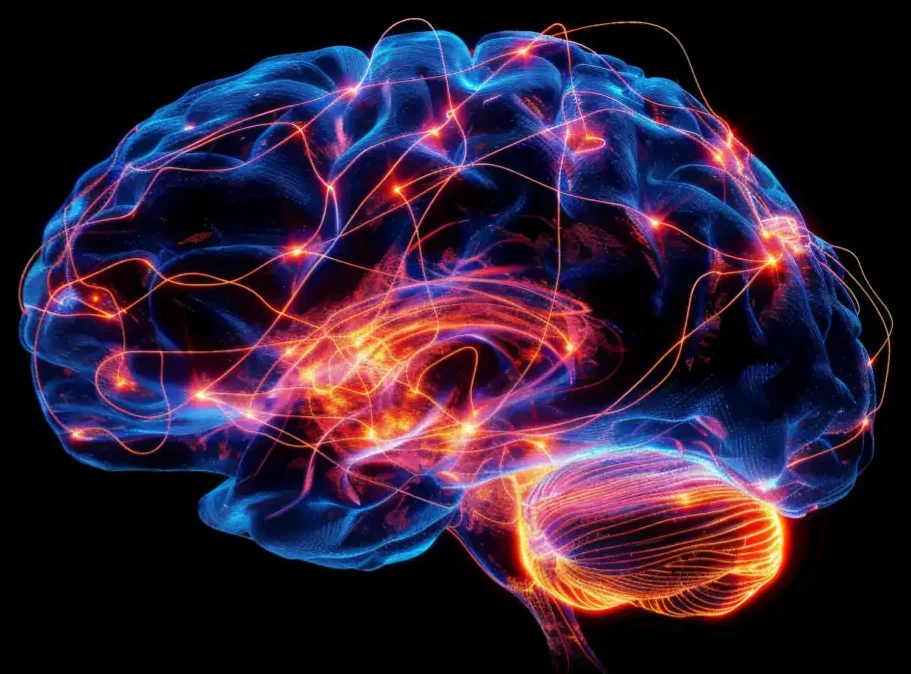
Illustration of the brain with seven numbered regions
  1. 1

    Resets the Default Mode Network, quieting negative thought loops. Treats: Depression, Anxiety

  2. 2

    Brief, gentle detachment that helps reprocess traumatic memories. Treats: PTSD, OCD, Suicidal Ideation

  3. 3

    Calms the lateral habenula, the brain’s “anti-reward” center. Treats: Depression, TRD, Anhedonia

  4. 4

    Boosts BDNF, a protein that helps the brain repair and grow. Treats: Depression, PTSD, Suicidal Ideation

  5. 5

    Raises glutamate activity to strengthen neural connections. Treats: MDD, TRD, PTSD, Anxiety, Bipolar

  6. 6

    Reduces brain inflammation caused by stress or trauma. Treats: Depression, Anxiety, PTSD, Chronic Pain

  7. 7

    Lifts serotonin, dopamine and natural opioids to ease mood and pain. Treats: Chronic Pain, Depression, Anxiety

Traditional Treatments (SSRIs, Opioids) vs. Ketamine Therapy

A breakthrough in mental health and pain management

Ketamine therapy outperforms traditional treatments in key areas:

  • Speed of Action Rapid relief within hours, unlike SSRIs that take weeks.
  • Effectiveness Higher response rates in treatment-resistant conditions.
  • Long-Term Impact Lasting symptom relief as opposed to traditional treatments.

Response and Remission Rates for Ketamine Therapy

How Effective Is Ketamine Therapy in Different Settings?

  • Proven Efficacy Ketamine provides rapid and sustained antidepressant effects.
  • Versatile Treatment Formats Effective in both single-dose and multi-sessions.
  • Innovative Mechanism Works through a unique brain pathway different from SSRIs.
  • Broad Application Treats a range of mental health and chronic pain disorders.
61%
Suicidal Ideation range 57–65%

average reduction in suicidal ideation

68%
Single Administration range 64–71%

reported reduction in depression after a single infusion

80%
Long Term in TRD Patients range 79–80%

of TRD patients showed significant improvement

89%
AVYIA's Microdosing range 85–92%

of AVYIA patients report improvement with microdosing

Average resultReported range across studies

Is Ketamine Therapy the Right Treatment for You?

Are you answering “yes” to the following conditions?

Refractory Conditions

Tried antidepressants or pain medications without much success.

Experiencing Symptoms

Have major mental health disorders, chronic pain, or addiction.

Seek Rapid Relief

Traditional treatments take weeks, whereas ketamine can work within hours.

Medically Cleared

Healthy, without conflicting medications or taking illicit substances.

Long-Term Solution

Seeking sustained relief and lasting emotional stability.

Establishing a Goal

Will work with a provider to establish and maintain a treatment goal.

Note: Always consult with your doctor to determine whether ketamine therapy is appropriate for your specific needs and medical history.

Frequently asked questions

Answers about ketamine therapy at AVYIA.

Free ConsultationAVYIA clinician
Why AVYIA in-home IV ketamine?
    • AVYIA delivers a ground-breaking  mental health treatment straight to your home, administered by doctors and health care providers.
    • Ketamine is a potential paradigm shift in the treatment of mental health disorders.
    • Ketamine starts working on day one for many, leading to complete resolution of mental health disorders by the end of the treatment program.
    • Our ketamine therapy is vetted by the latest medical research and science.
    • Ketamine is safe!  It has a 50+ year safety track record.
    • Our doctors and staff are committed to the highest standards of patient care and safety.
What is Ketamine?
  • Ketamine is a “game-changer” medicine that provides immediate and long-lasting improvements in mental health disorders.  Its effectiveness and safety record has been supported by robust medical studies.
  • Ketamine is both a sedative and a dissociative psychedelic.   It was originally used as an anesthetic, but recently found to produce amazing results in the treatment of mental health disorders.
  • Recognized by the World Health Organization as an essential medicine.
  • Developed in the 1950s and 1960s, approved by the FDA in 1970.
Is Ketamine therapy safe?
  • AVYIA’s ketamine therapy and infusion treatments are very safe.  We follow the latest medical guidelines and scientific research.
  • Misuse of ketamine while under a clinician’s care is unlikely, especially with the low dosages that are used to treat mental health disorders.
  • Ketamine has been stigmatized as a street drug for its psychedelic effects, known as “Special K,” but research has shown that low dose ketamine is incredibly safe, effective, and long-lasting.
  • Ketamine misuses are in doses 5-10x more than the recommended medical doses used in anesthesia.  Oftentimes serious side effects are associated with such dangerous doses including, ketamine-induced cystitis, a condition that affects the bladder.
  • AVYIA works with several reputable pharmacies in the U.S. to prescribe and treat our patients.
When will I start feeling better
  • Symptom relief may start within minutes of an initial IV infusion of ketamine therapy.  For others, noticeable relief from symptoms may not start after a few sessions.
  • Studies have shown that repeated doses of IV ketamine therapy work best.  For the maximum effectiveness and the longest lasting effects, we recommend 6 IV sessions of ketamine therapy over a 3-week period.
  • Relief of symptoms from microdosing ketamine is typically slower when compared to an IV treatment, however, some patients have reported noticeable symptom improvements within the first few days of starting microdosing.
What are Ketamine’s side effects?
  • Ketamine side effects are generally mild and well tolerated.
  • While side effects may differ from patient to patient, the most common side effects are brief elevations in blood pressure and nausea.  Nausea can be easily treated with antiemetics, or anti-nausea medications on the spot.  Blood pressure elevations are short lived and normalize soon after the ketamine treatment if completed.
  • We ask that a responsible adult of the patient’s choosing to be close by during each ketamine therapy session.  Patients should not drive themselves home from an IV or intranasal treatment due to possible drowsiness and dissociation after a treatment session.
Free ConsultationSchedule
Online
Talk to ProviderCall us