

Microdosing Tablet
$129 per month$4 per daily dose
Includes telehealth, follow-ups and medication
Migraine
Migraine affects more than 39 million Americans, according to the American Migraine Foundation. Attacks bring throbbing pain, often with nausea, sensitivity to light and sound, and sometimes visual aura, and can last from hours to days.
Its exact cause is not fully understood, but genetics, environment and changes in brain chemistry all play a part. For people with frequent or severe attacks, standard preventive and rescue medicines do not always bring enough relief.
Supervised ketamine therapy as part of a complete migraine plan.
Free ConsultationKetamine blocks the NMDA receptors that carry pain signals, calms the overactive nerve pathways linked to migraine and has anti-inflammatory effects. Studies of ketamine for severe, treatment-resistant headache have reported meaningful pain reduction for some patients, and research is ongoing.
Ketamine is used for migraine under medical supervision, usually after other treatments have been tried. AVYIA’s clinicians can help you build a complete management plan, with IV infusion, nasal spray or daily low-dose tablets as options.
The medical literature classifies migraines as a neurological disorder and it is triggered when the nerve cells become excessively stimulated. It is not caused by any structural abnormalities in the brain, analogous to a software rather than hardware issue in a computer. Migraine symptoms can vary from person to person, but include prolonged headache attacks that may come with nausea or auras (visual disturbances, numbness, dizziness, paralysis, speech difficulties, and memory loss). Migraine can be episodic, with infrequent attacks, or chronic, with over 15 headache days per month. While there is no definitive cure for migraine, several strategies and treatments can help control and manage migraine, substantially decreasing its frequency and severity. The triptan and NSAID classes of drugs are often the first line of medications to try. Another treatment is botox injections. At AVYIA, we use ketamine therapy as a primary or adjunctive treatment for patients. Contact us for a free consultation to see how we can help.
Migraines are a complex neurological disorder characterized by moderate to severe pain, typically localized on one side of the head. Chronic migraines are a specific type of migraine characterized by the frequency and duration of these headaches. While the exact etiology remains uncertain, various factors are known to potentially trigger migraines. These include: 1) genetic predisposition, 2) neurological abnormalities, 3) triggers (i.e., stress, certain foods, hormonal changes, sleep disruptions, strong odors, and other environmental factors), 4) central nervous system sensitization, 5) medication overuse, and 6) other health conditions (i.e., depression, anxiety, sleep disorders, or other chronic pain conditions).
Since there are different types of migraines symptoms can vary from prison to person, although in the majority of patients the symptoms are as follow:
Intense, pulsating headache pain that is usually localized on one side or both sides of the head
The neurological changes in the brain during a migraine can affect the digestive system, leading to feelings of queasiness or the urge to vomit.
This sensation may be caused by altered blood flow to the brain, affecting balance and spatial awareness.
Even normal levels of light or sound can become unbearable during an episode, causing individuals to seek out dark, quiet environments to find relief.
Known as Auras such as seeing flashing lights or experiencing temporary vision loss.
Migraine attacks can be preceded by a premonitory phase or prodrome phase. During this phase, individuals may experience subtle changes in mood, behavior, or cognition.
Following a migraine episode, individuals may feel drained and fatigued due to the intensity of the headache and associated symptoms.
Migraine attacks can have four stages, but not everyone experiences all of them:
Usually occurs several hours before the headache, although it can also be present for a couple of days. Changes in mood, such as irritability,anxiety, and cravings for certain foods, such as cheese or chocolate, are common during this phase. Yawning is also common, and people may be more sensitive to their surroundings, including light, smells, and noises.
Occurs just before the headache, usually lasting 15 to 30 minute, but may last as long as an hour. Aura can involve visual disturbances (90% of auras), as well as numbness, dizziness, paralysis, speech difficulties, and memory loss. A visual aura typically begins off-center in both eyes and gradually enlarges with blackness, zigzags, lights, or patterns that can affect half or all of the vision.
Typically located in the head or neck, usually pulsating or thumping. It can affect any part of the head, including the face, sinuses, or neck. It can last for hours or days, not minutes or weeks. In cases where head pain is mild or absent, such as in vestibular migraines that predominantly involve vertigo and dizziness, diagnosis can be challenging.
May take a day or two, during which time people may feel generally unwell. Many people report “brain fog,” where it is harder to concentrate, and simple tasks take longer to complete. Ketamine may help shorten the recovery time for individuals who are suffering from migraine headache
Treatment options
The use of Ketamine as a treatment solution for chronic migraines has garnered substantial attention due to multiple factors. Ketamine binds to NMDA receptors, not opioid receptors, reducing the risk of severe side effects. Modulate NMDA receptors and the release of glutamate help to block pain signals and to dampen the transmission of pain signals.
Ketamine has been shown to increase the release of certain neurotransmitters, such as glutamate and brain-derived neurotrophic factor (BDNF). These neurochemical changes may help in reducing pain and inflammation associated with migraines. Furthermore, Ketamine’s actions on various brain receptors and neural circuits might help in disrupting or interrupting the pain pathways associated with migraines.
Ketamine offers fast-acting relief of neurological pain and has anti-inflammatory effect on the brain and the nervous system. For many people, there is a concern regarding the side effects that might arise from traditional migraine medication. NSAIDS have been linked to severe adverse side effects, such as kidney injury, stomach ulcers, and bleeding, if taken in too high of doses or for prolonged periods. Many patients on the triptan drugs (ie: sumatriptan, zolmitriptan) have to trial multiple drug variations before finding one that works, and more than a third of patients don’t respond at all. Ketamine works rapidly and is safe, with a safety track record since the 1960s. AVYIA will develop a comprehensive, patient-centered treatment plan that incorporates ketamine to manage migraines. No commitments are ever required.
$129 per month$4 per daily dose
Includes telehealth, follow-ups and medication
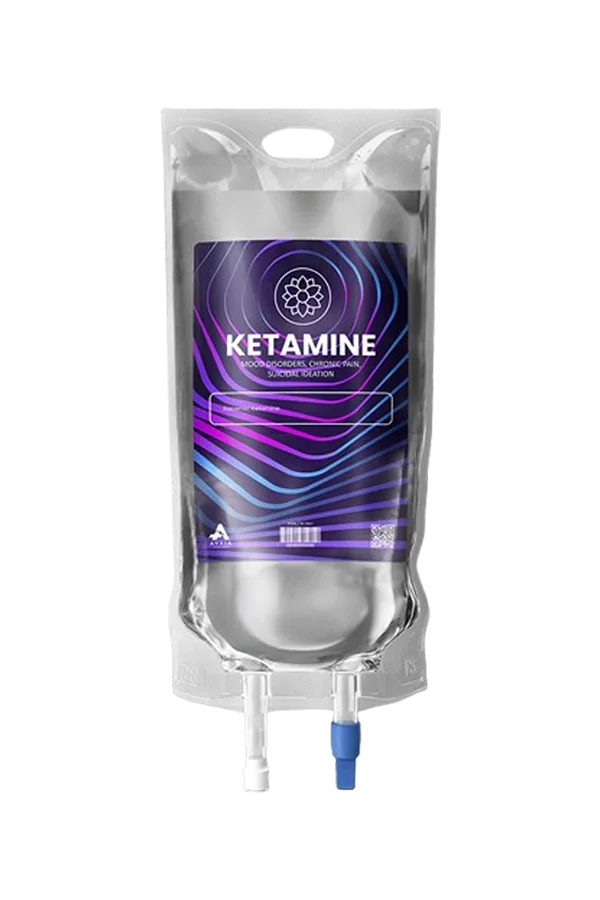
$499 per monitored session6 sessions over 2-3 weeks
Includes telehealth, home visits and medication

$449 per monitored session8 sessions over 4 weeks
Includes telehealth, home visits and medication
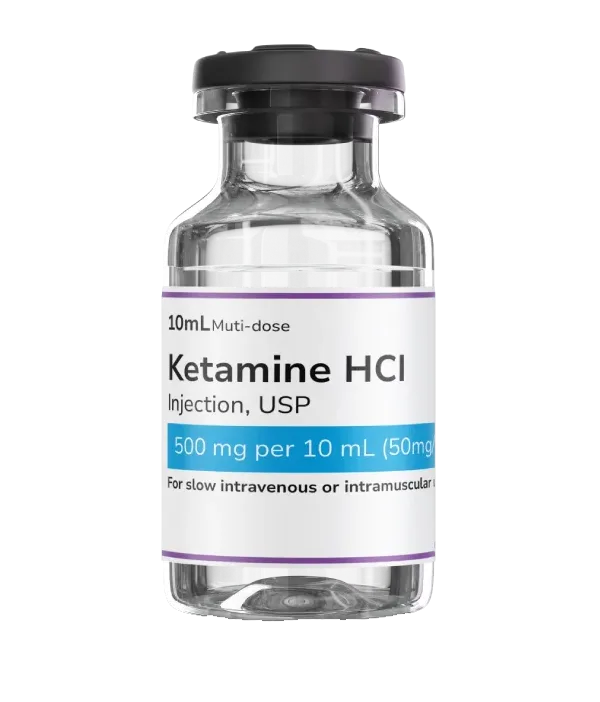
$429 per monitored session8 sessions over 3-4 weeks
Includes telehealth, home visits and medication
Yes. Microdosing has been used to treat migraines as well as chronic pain. Microdosing on a daily basis might be a viable option for individuals experiencing refractory chronic migraines, for whom traditional painkillers and preventive medications are usually ineffective. Those suffering from headaches on a daily or near-daily basis may find significant benefits from microdosing, as it offers patients greater control in managing their own dosing regimen to better control their symptoms.
There are many types of migraines and headache types: Migraine without aura, migraine with aura, migraine without head pain, hemiplegic migraine, retinal migraine, chronic migraine, abdominal migraine, ice pick headache, cluster headache, cervicogenic headache, thunder-clap head ache, tension headaches, and many other headaches as a result of other ailments.
Immediately after ketamine treatment, it is common to feel a little tipsy, uneasy, or nauseous. Also feeling exhausted is not an uncommon symptom either. Although some individuals are able to resume their work routine 1-2 hours after treatment, we recommend taking the remainder of the day off following your initial visit to assess how you feel. You should not drive immediately after an IV or intranasal infusion as you are under the influence and likely impaired.
Patients microdosing ketamine typically do not have any impairment from their ketamine, but should still exercise good judgement with respect to driving and operating dangerous tools or equipment.
Yes, “off-label” use of ketamine for treating migraines and other disorders is perfectly legal. In fact, 1/5 to 1/4 of all prescription medications are prescribed off-label. The term off-label use refers to the use of a medication for a purpose other than what it was originally approved for by the regulatory authorities. Ketamine was initially approved by the U.S. Food and Drug Administration (FDA) for use as an anesthetic and analgesic medication.
Healthcare providers are legally allowed to prescribe medications, including ketamine, for off-label uses if they believe it is medically appropriate and in the best interest of the patient. Off-label use is common in medicine, and it allows healthcare professionals to explore alternative treatments for various conditions, especially when traditional treatments have been ineffective or unavailable.
AVYIA’s low dose ketamine is well-tolerated and safe when used under the supervision of a medical provider.
Side effects are generally mild and well tolerated. Symptoms may vary from patient to patient, but common side effects are slight elevations in blood pressure and nausea. Nausea can be easily treated with antiemetics or anti-nausea medications on the spot.
Psychedelic experiences and dissociative effects may occur in the doses we give for IV and intranasal treatments. This is also known an out-of-body experience, or going on “a trip.” After completion of a treatment, some patients have reported false epiphanies, such as “knowing the meaning of life.”
All these effects are typically short lasting once the treatment is over. Patient’s are back to their baseline the next day typically, but we still recommend exercising caution. Patients should not drive while under the influence of ketamine, nor should they make rash decisions on false epiphanies. Finally, AVYIA requests patients have a responsible adult present to monitor patients after the healthcare providers finish their monitoring efforts.
No. Ketamine is not for everyone. Patients with schizophrenia, schizo-affective disorder, mania, hypomania, recent psychosis, or psychotic episodes, should not be on ketamine therapy. Ketamine therapy for mental health treatment is generally contraindicated patients with severe heart diseases, uncontrolled hypertension, increased intracranial pressure, recent stroke, interstitial cystitis or severe bladder disease.
It is crucial for AVYIA to conduct a through medical evaluation and review the patient’s medical conditions before recommending ketamine treatment.
If you are interested in ketamine therapy just simply click on the “free consultation” button, then provide your contact information for us to give you a call. We’re happy to answer any questions or discuss a treatment plan. No pressure or commitments at all.
When you’re ready to start treatment, schedule an initial telehealth appointment by clicking the “appointment” button on the top, or give us a call. We’ll start by setting you up with one of our clinicians.
As if migraines aren’t already a pain, pun intended, migraines also are often suffered in conjunction with other mental health disorders, such as depression and anxiety. People with migraines are more than 5x as likely to develop depression, and even more likely to develop anxiety, according to the American Migraine Foundation. Ketamine treats all of these disorders safely and rapidly, often with lasting results or complete disease remission.

