
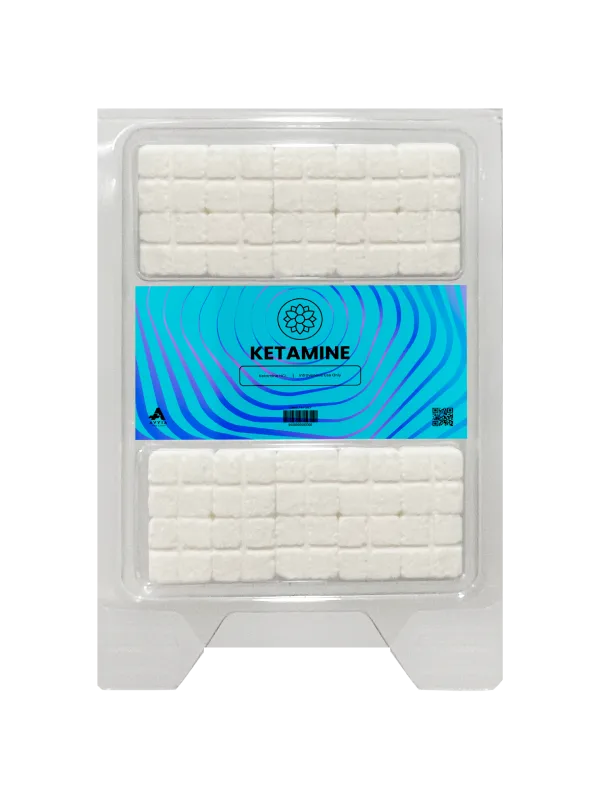
Microdosing Tablet
$129 per month$4 per daily dose
Includes telehealth, follow-ups and medication
Depression
Clinical depression is more than a passing low mood. It is a medical condition marked by persistent sadness, loss of interest, poor sleep, low energy and trouble concentrating that lasts for weeks and affects work, relationships and daily life. The World Health Organization estimates it affects about 280 million people worldwide.
Antidepressants and talk therapy help many people, but roughly one in three do not improve enough after trying two or more treatments. This is called treatment-resistant depression (TRD), and it is where ketamine has been studied most closely.
AVYIA’s ketamine programs are designed for treatment-resistant depression, postpartum depression and depression with suicidal thoughts.
Free ConsultationKetamine works differently from conventional antidepressants. Rather than adjusting serotonin over several weeks, it acts on glutamate, the brain’s main signaling chemical, and helps rebuild the connections between nerve cells that depression can weaken. In clinical studies, many people with TRD began to feel better within hours to days of their first treatment.
Your AVYIA clinician reviews your history and current medications, then recommends the option that fits you: IV infusion, nasal spray, intramuscular injection or daily low-dose tablets. Ketamine can complement the medication and therapy you already have, and we monitor your progress throughout.
Using an eye mask helps to block out external visual stimuli, which allows patients to focus inward and have a more immersive experience. It also enhances relaxation and provides a sense of privacy when experiencing their ketamine treatments.
Depression is a multifaceted disorder that often evades conventional treatment strategies, particularly in patients with treatment-resistant depression. Ketamine offers a novel therapeutic approach by rapidly modulating key neural circuits and fostering adaptive neuroplasticity. Unlike traditional antidepressants that may take weeks to exert their effects, ketamine’s unique mechanisms of action enable rapid symptom improvement and durable changes in neural connectivity.
NMDA Receptor Blockade:
Ketamine acts as a non-competitive antagonist at the N-methyl-D-aspartate (NMDA) receptor, inhibiting its activity and thereby reducing glutamate-mediated excitotoxicity. This blockade decreases the excessive calcium influx into neurons—a process linked to neuronal damage and impaired synaptic function—thus stabilizing neurotransmission and setting the stage for recovery in neuronal circuits affected by depression.
Glutamate and AMPA Regulation:
By reducing NMDA receptor activity, ketamine indirectly enhances the signaling of α-amino-3-hydroxy-5-methyl-4-isoxazolepropionic acid (AMPA) receptors. The subsequent increase in AMPA-to-NMDA receptor throughput is thought to elevate synaptic strength and plasticity. This adjustment helps restore normal synaptic function and connectivity, which is critical in reversing the neural network disruptions observed in depressive states.
Enhanced Neuroplasticity:
Ketamine stimulates the production of brain-derived neurotrophic factor (BDNF) and activates the mammalian target of rapamycin (mTOR) pathway, both of which are central to promoting synaptogenesis and dendritic spine formation. Additionally, by inhibiting eEF2 kinase, ketamine facilitates the translation of proteins necessary for synaptic remodeling. These molecular events contribute to the rapid reorganization of neural circuits, effectively “rewiring” the brain to support improved mood regulation and cognitive function.
Rapid Symptom Relief:
The convergence of NMDA receptor blockade, enhanced AMPA receptor activity, and subsequent neuroplastic changes underpins ketamine’s ability to deliver clinical improvements within hours to days. This rapid onset of action is particularly beneficial for patients with severe or refractory depressive symptoms, providing a critical window of relief and potentially mitigating the risk of acute crises such as suicidal ideation.
Overall Safety and Accessibility:
Despite its complex pharmacodynamics, a sub-anesthetic dose ketamine is associated with a favorable safety profile when administered in controlled clinical settings. Its inclusion in the World Health Organization’s List of Essential Medicines underscores its efficacy, safety, and cost-effectiveness as a therapeutic agent in modern psychiatry. These factors collectively make ketamine a viable option for a wide range of depressive disorders, especially in cases where conventional treatments have failed.
Two kinds of programs, chosen with your clinician: supervised sessions that produce a brief dissociative effect, or daily low-dose tablets with no dissociation.
AVYIA offers three sub-anesthetic routes to harness ketamine’s dissociative and psychedelic properties, each administered by licensed medical professionals:
These evidence-based, cost-effective programs deliver consistent dissociative effects—peaking during treatment and resolving soon after—and may include booster sessions if symptoms recur.
Each two-hour appointment—covering pre-session assessment, treatment, and post-session monitoring—takes place in a calming home environment, ideally in a reclining chair or on a sofa, with eye shades and soothing music. Our team continuously monitors your vital signs and emotional well-being to ensure a safe, comfortable, and tailored therapeutic experience.
For patients who prefer to avoid full dissociative effects, AVYIA offers a daily sublingual microdosing program using rapid-dissolving tablets. Because only about 25-40% of ketamine is absorbed under the tongue (versus nearly 100% IV or ~50% intranasal), each tablet delivers less active ketamine systemically—significantly less than standard infusion or spray doses—yet provides a consistent therapeutic exposure over time. By taking one tablet each evening, patients can achieve cumulative mood stabilization, anxiety relief, and neuroplastic benefits without overt “floating” or dissociative effects.
Our clinical team tailors your regimen based on weight, metabolism, tolerance and treatment goals. You’ll be instructed on initial titration and precise placement and dissolution of the tablet, with nightly dosing typically sufficient but adjustable through regular check-ins. Side effects are rare and generally mild—for example, slight oral numbness or light sedation—and our providers monitor you closely for safety and progress, recommending booster treatments or dose adjustments as needed to optimize outcomes.

Ketamine therapy, administered via IV infusion, IM injection, intranasal spray, or microdosing tablets, often produces rapid antidepressant effects. Recent data indicate that significant improvements can occur within hours after the initial session, with benefits accruing over subsequent treatments. For example, Wilkinson et al. (2021) demonstrated that patients with treatment-resistant depression can experience rapid symptom relief after just one infusion, with additional sessions further consolidating these gains.

Recent high-quality studies continue to validate ketamine’s effectiveness across various delivery routes. In a landmark study, Wilkinson et al. (2021) reported that nearly 70% of patients with treatment-resistant depression achieved a marked reduction in symptoms after a single treatment session. Similar efficacy has been observed with intranasal and sublingual administration, supporting ketamine’s broad utility in rapidly reducing depressive symptoms.

While traditional antidepressants and psychotherapies may take several weeks or even months to produce significant improvements, ketamine therapy offers a much faster onset of action. Meta-analyses and recent clinical trials (e.g., Wilkinson et al., 2021) have shown that the antidepressant effects of ketamine can emerge within hours, providing critical relief for patients suffering from severe or treatment-resistant depression. This rapid response is particularly valuable in acute situations, where immediate mood stabilization is essential.

Conventional antidepressants are frequently associated with a high incidence of adverse side effects. Recent meta-analyses have highlighted that a significant number of patients experience persistent issues such as sexual dysfunction, weight gain, and emotional blunting. For instance, a review by Serretti and Chiesa (2009) —and supported by more recent real-world evidence—indicates that up to 50% of patients on SSRIs may suffer from sexual side effects, contributing to treatment discontinuation and reduced quality of life.

The trial-and-error process inherent in selecting an effective antidepressant remains a significant clinical challenge. The STAR*D study (Rush et al., 2006) remains a cornerstone in this area, showing that only about 30% of patients achieve remission with their first-line antidepressant. More recent follow-up analyses have echoed these findings, illustrating that many patients endure months of suboptimal treatment before finding a regimen that works, further underscoring the need for rapid-acting alternatives like ketamine.

Treatment resistance is a pervasive issue in managing major depression. Recent systematic reviews and meta-analyses have found that approximately 30% of patients do not respond adequately to conventional treatment modalities—including antidepressants, various classes of psychotropic medications, and psychotherapy. This high rate of treatment resistance reinforces the urgent need for innovative therapies like ketamine, which can offer rapid and sustained relief where traditional treatments have failed.
Treatment options
At AVYIA, we understand that depression can manifest in various forms, affecting individuals in unique ways. We offer a safe and effective treatment options to help you overcome all types of depression.
$129 per month$4 per daily dose
Includes telehealth, follow-ups and medication
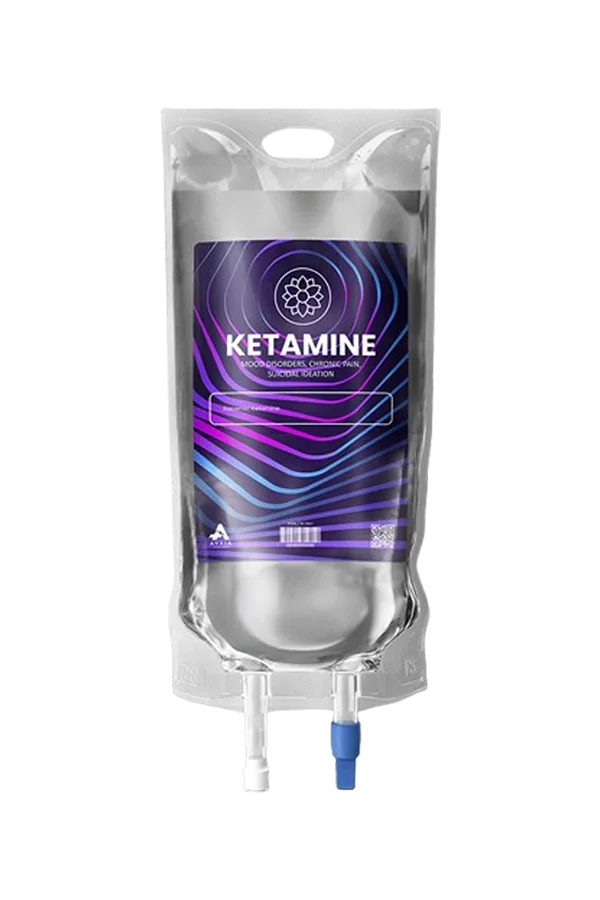
$499 per monitored session6 sessions over 2-3 weeks
Includes telehealth, home visits and medication
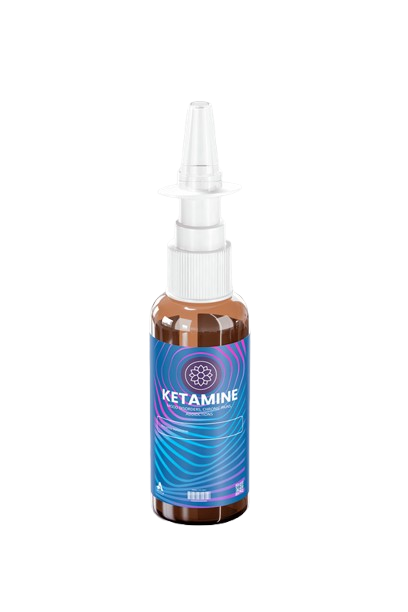
$449 per monitored session8 sessions over 4 weeks
Includes telehealth, home visits and medication
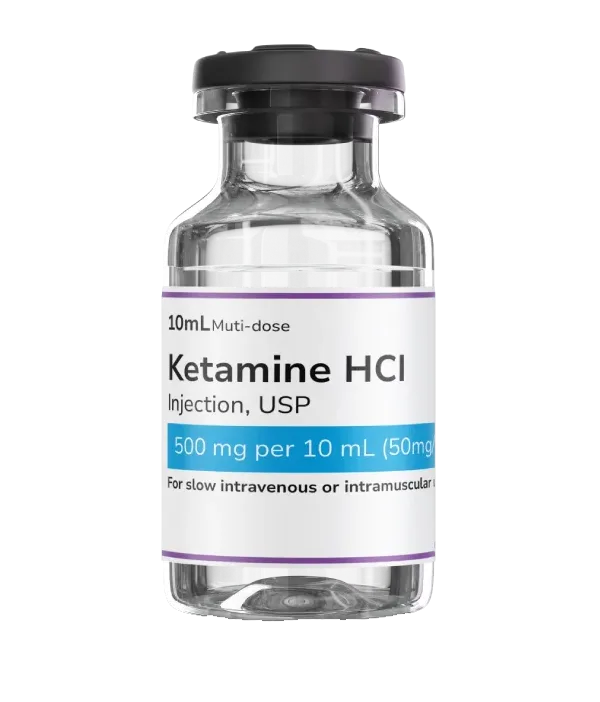
$429 per monitored session8 sessions over 3-4 weeks
Includes telehealth, home visits and medication
AVYIA offers ketamine in four routes of administration (programs): intravenous, intranasal, intramuscular, and oral microdosing.
Intravenous (IV):
6 treatment sessions over 2–3 weeks.
This is the most studied and clinically preferred method of administration. IV infusions offer 100% bioavailability and allow for precise dosage titration, enabling rapid onset of therapeutic effects and sustained relief throughout each session.
Intranasal:
8 treatment sessions over 3–4 weeks.
An easy-to-use nasal spray administered under the supervision of a clinician. This method is ideal for patients with a fear of needles. While bioavailability is slightly lower than IV, it still delivers effective results in a less invasive way.
Intramuscular (IM):
8 treatment sessions over 3–4 weeks.
A single injection into the muscle—usually the arm or thigh. IM ketamine provides rapid onset and high bioavailability, and is a convenient alternative for patients seeking shorter in-home visits. It is also useful in maintenance therapy or when IV access is challenging.
Oral Microdosing:
Ketamine is taken as a liquid solution or tablet placed under the tongue (sublingual), allowing it to be absorbed into the bloodstream while bypassing the digestive system. This low-dose regimen is designed to provide therapeutic benefits without inducing dissociative effects.
Results vary from patient to patient and study to study, but most of the available data comes from research using IV ketamine administration. When reviewing the most recent body of scientific literature on ketamine infusions, approximately 70% of patients reported mood improvement after multiple treatment sessions.
A 2020 review by Wilkowska et al. reported a 63.2% to 73.7% remission rate—defined as a significant reduction or complete disappearance of symptoms—after six low-dose ketamine treatments. Outcomes from single treatment sessions were notably less favorable compared to those from multiple-session protocols.
At AVYIA, we recommend combining ketamine infusions with ketamine-assisted psychotherapy, which includes individualized counseling or therapy sessions designed to enhance and prolong treatment outcomes.
The duration of remission—or how long a patient remains depression-free after completing a treatment program—can vary from weeks to months, or even years. Because each individual responds differently, outcomes cannot be predicted with certainty. Some patients may require booster sessions if symptoms return.
No. We ask patients to fast 6-8 hours prior to each IV, IM or intranasal treatment.
Microdose patients may resume normal daily life without any dietary restrictions.
With IV, IM, and intranasal ketamine treatments, patients may experience mild hallucinations (psychedelic effects)and dissociative sensations (such as out-of-body experiences). It’s also common to feel drowsy or fatigued following a session. Some patients have reported transient thoughts or “false epiphanies”—such as the sensation of having discovered the meaning of life. While these experiences can feel profound, we advise against making any major life decisions immediately after treatment.
These effects are temporary and typically resolve shortly after the session ends.
Driving or engaging in potentially dangerous activities should be avoided until any cognitive or physical impairment has fully subsided. Our healthcare provider will monitor you post-treatment to ensure your safety, and we strongly recommend that a responsible adult accompany you during and after your session.
With AVYIA’s microdosing regimen, dissociative effects are minimized by administering a low daily dose via a sublingual tablet. This approach delivers therapeutic benefits without the intensity of traditional psychedelic experiences.
Ketamine is a safe and well-tolerated medication, particularly when administered under the supervision of a trained clinician. Most patients tolerate ketamine well, though some may experience drowsiness or mild nausea.
Nausea during IV or intranasal treatments can be easily managed with antiemetics (anti-nausea medications). For those using microdose ketamine, nausea is typically resolved through simple adjustments to dosage or timing.
Another potential side effect is transient hypertension—a temporary elevation in blood pressure—which may occur during IV, intramuscular (IM), or intranasal administration. In most cases, blood pressure normalizes shortly after the treatment session ends. Patients with a history of hypertension will be screened and closely monitored, and ketamine may be delayed or adjusted for individuals with uncontrolled high blood pressure.
Psychedelic and dissociative effects are most commonly associated with IV, IM, or intranasal routes, but these effects are generally short-lived and subside quickly after the session.
AVYIA recommends 6 Ketamine IV infusions over a 3 week period for optimal results. Intranasal Ketamine is an acceptable alternative that uses 8 treatments over 4 weeks. Some patients go into complete disease remission after completing a treatment program, meaning they are essentially “cured.” Others see their symptoms relapse after a period of time. We cannot predict if and when depression symptoms come back.
Following the completion of an initial treatment program, patients may commence in a maintenance program should their symptoms relapse, wherein they are eligible to receive discounted single booster treatments as needed until remission is achieved.
Healthy teens and adults typically tolerate ketamine safely, with minimal to no side effects. At AVYIA, our clinicians conduct regular and close follow-ups with each patient to ensure safety and optimal outcomes throughout the treatment process.
Patients with a history of hypertension (high blood pressure) should continue taking their prescribed medications and ensure their blood pressure is well-controlled—ideally below 140/100 mmHg. For those with uncontrolled readings, adjustments to medication or lifestyle may be necessary before beginning treatment. Close blood pressure monitoring is performed during each IV, IM (intramuscular), or intranasal ketamine session, and in rare cases, an additional dose of antihypertensive medication may be administered to lower blood pressure safely during treatment.
Patients who are currently or recently experiencing psychosis, mania, or hypomania are not candidates for ketamine therapy, as it may worsen these symptoms. Once stabilized and at baseline mental health, we welcome you to schedule a medical assessment to determine your eligibility. We’re here to support you and are happy to work with your mental health provider and loved ones during this time.
Ketamine is generally contraindicated for individuals with:
Schizophrenia or schizoaffective disorder
Interstitial cystitis
Uncontrolled hypertension
Certain severe cardiovascular conditions
Elevated intracranial pressure or a history of intracranial bleeding
If you have any questions about your medical history or whether ketamine therapy is right for you, please don’t hesitate to contact us. We’re here to help guide you safely and compassionately through the process.
