
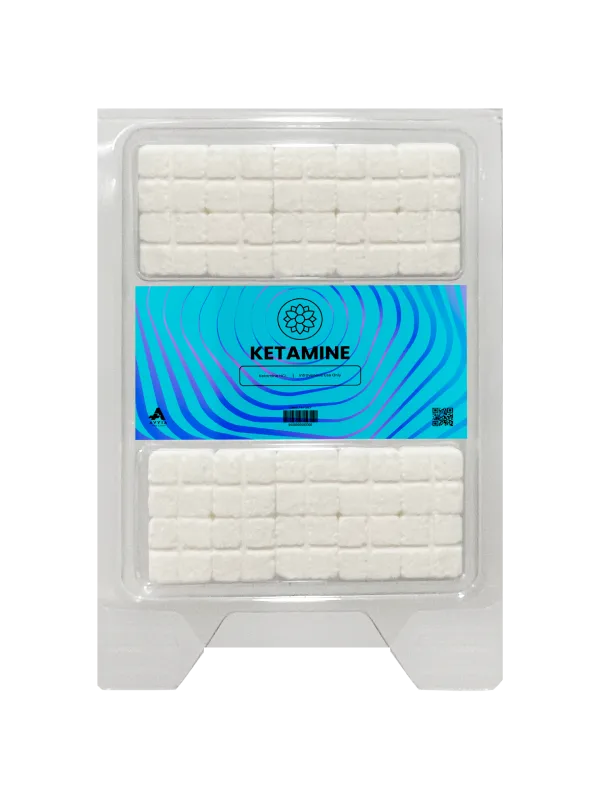
Microdosing Tablet
$129 per month$4 per daily dose
Includes telehealth, follow-ups and medication
Bipolar Disorder
Bipolar disorder causes shifts between periods of elevated or irritable mood (mania or hypomania) and episodes of depression. It affects about 40 million people worldwide and is a leading cause of disability, with real effects on work, relationships and finances.
For most people the depressive episodes last longest and are the hardest to treat. Bipolar disorder is also often mistaken for ordinary depression, which can delay the right care for years, and relapse is common even with standard medication and therapy.
Ketamine treats the depressive phase of bipolar disorder as an add-on to your current treatment.
Free ConsultationIn clinical studies, a single ketamine infusion reduced depressive symptoms in people with bipolar depression within hours, including patients who had not responded to other treatments. It is generally well tolerated when given under medical supervision.
Ketamine is not given during mania, hypomania or psychosis. Because bipolar disorder needs ongoing specialist care, we ask that you keep taking your mood stabilizers and stay under the care of your existing mental health provider while you receive ketamine therapy with AVYIA.
Bipolar disorder, formerly known as manic depression, is a prevalent and incapacitating mental health condition affecting millions of individuals worldwide. This complex disorder is characterized by intense fluctuating shifts in mood, or mood swings, that can severely impact a person’s daily life and overall well-being. Depending on the symptoms and severity of these mood swings, these episodes are either called manic or hypomanic (also referred to as mania and hypomania).
One of the complexities of bipolar disorder is its variability in symptom presentation and the frequency of mood swings. Some individuals may experience episodes rarely, with long periods of stability in between, while others may have more frequent mood swings, with episodes occurring multiple times a year. Despite the challenges associated with bipolar disorder, with the correct support, therapy, and adherence to treatment, many individuals can achieve stability and lead fulfilling lives.
There is a genetic correlation associated with bipolar disorder. Individuals with family members that have bipolar disorder are more likely to develop bipolar themselves compared to the general population. Bipolar disorder is typically triggered by significant life events or stressors, such as having a marriage end in divorce, losing a loved one, being fired from a job, or suffering from financial ruin. Furthermore, brain chemistry and brain structure play a crucial role in mood regulation. Imbalances in neurotransmitters, such as serotonin, dopamine, and norepinephrine, have been associated with bipolar disorder. Certain drugs that can affect brain chemistry may trigger or worsen bipolar symptoms in some individuals. In fact, there are some studies that suggest SSRI antidepressants can trigger the onset of bipolar disorder. Therefore, care under a mental health care provider is of the upmost importance for anyone experiencing mental health symptoms.
While the factors discussed above are associated with the development of bipolar disorder, they do not guarantee that an individual will develop the condition. On the other hand, the absence of those risk factors do not rule out the possibility of developing bipolar disorder. More importantly, being familiar with the symptoms and getting a qualified mental health professional to diagnose the disorder is the first step towards effective treatment.
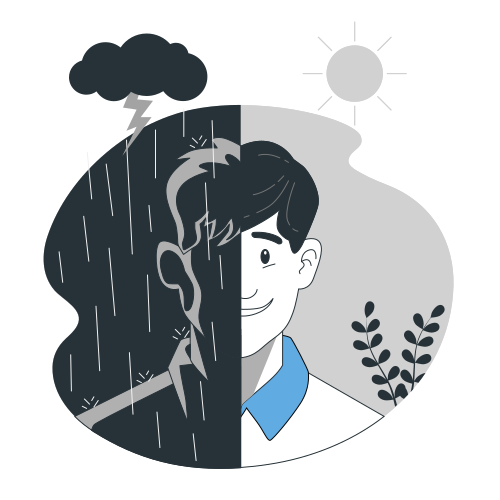
Bipolar I episodes are characterized by manic episodes lasting anywhere from seven days or more. It’s then followed by depressive episodes that can last anywhere from two weeks or more. These episodes are severe enough to require hospitalization. Manic episodes can possibly lead to exhaustion and self harm.
Bipolar II is characterized by cycles of hypomanic and depressive episodes, although less severe than those of Bipolar I.
It is characterized by highs and lows that don’t meet the criteria for depression or hypomania. Depressive symptoms last for at least two years. Mania, hypomania, and depressive episodes can still be dangerous.
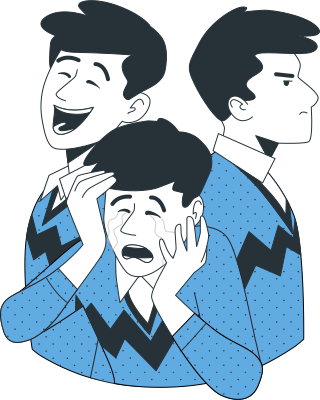
When an elevated mood is evident, along with three or more primary symptoms for the majority of the day, on most days of the week, for a minimum of one week, it is classified as a manic episode. Ketamine should not be administered in patients when they are in a state of mania, hypomania, or psychosis.
A set of behavioral and psychological symptoms associated with manic (more severe) or hypomanic (less severe) episodes.
Refers to an abnormally heightened or exaggerated mood state.
This refers to an unrealistic or exaggerated sense of self-worth and self-importance.
A significant reduction in the amount of sleep needed by an individual during a manic or hypomanic episode.
This symptom refers to a rapid flow of thoughts that can be difficult to control or slow down.
It refers to a noticeable increase in the amount and speed of speech.
Distractibility refers to an increased susceptibility to being easily diverted or interrupted by external or internal stimuli.
This symptom involves engaging in actions without considering the potential consequences or risks involved
It refers to a significant surge in physical and mental energy during a manic or hypomanic episode.
A depressive episode has to have five or more primary depression symptoms. They must be experienced for the majority of the day, on most days of the week, for at least two weeks in order to be diagnosed.
Refers to a persistent and pervasive feeling of sadness, emptiness, or low mood.
Also known as anhedonia, involves a decreased ability to experience pleasure or interest in previously enjoyed activities.
This refers to an unrealistic or exaggerated sense of self-worth and self-importance.
Characterized by persistent feelings of worthlessness, excessive or inappropriate guilt, or self-blame.
Depression can lead to extreme changes in appetite, leading to either significant weight loss or weight gain.
Depression often disrupts sleep patterns. Some individuals may experience insomnia, which can involve difficulty falling asleep, staying asleep, or waking up too early. Patients in mania or hypomania have on occasion been sleepless of many days on end.
People with depression commonly experience persistent fatigue or a significant decrease in energy levels.
Depression can impact cognitive functioning, as well as difficulties with concentration, memory, and decision-making.
In severe cases of depression, individuals may have recurrent thoughts of death, dying, or suicide.
Although anxiety and bipolar diseases have certain similarities, their sets of symptoms and diagnostic standards differ. Nonetheless, some symptoms may indicate that a person has co-occurring anxiety.
Anxiety in bipolar disorder can also manifest as irritability and rapid streams of thoughts, which may be especially prominent during mixed episodes, where symptoms of mania and depression co-occur.
Individuals may experience difficulty sleeping, even when they are not in a manic state. They may have difficulty sitting still or relaxing due to heightened energy levels and a sense of inner tension.
Constant worrying, anxiousness, and panic attacks are common. Some avoid social settings or getting out of the house. These symptoms may even persist during manic and depressive episodes.
Treatment options
The difficult nature of treating bipolar disorders is well known to the medical and psychiatric community, as well as those who suffer from it. Patients suffering from bipolar disorders are associated with high rates of morbidity, death, and suicide. Many find bipolar disorders resistant to conventional therapies, which is unfortunate. Nevertheless, Ketamine has shown promise as a treatment option for the depressive episodes that are resistant to other forms of therapy. Due to ketamine’s immediate and effective results, the FDA has recently approved its use (Spravato/esketamine) for treating treatment resistant depression and anxiety. AVYIA’s takes ketamine treatment a step further!
More than half of bipolar disorder patients in clinical tests reacted favorably to a single IV ketamine infusion, and a sizable proportion of them experienced remission with multiple doses over several weeks. Similar outcomes have been observed in our practice, where ketamine infusions have helped to immediately reverse the downward spiral of depressive symptoms. Studies have also shown that it has strong antidepressant and anti-suicidal effects, particularly in patients with chemical and structural changes in their brain as a result of prolonged bipolar depression. Ketamine re-structures brain’s anatomy and re-wires the neurotransmitters back to their normal states in by a process called neuroplasticity. Ketamine does this by enhancing the release of a protein call BDNF, or brain-derived neurotrophic factor, and regulating the neurotransmitter glutamate. It is theorized that ketamine enhances the ability to control mood by forming new synaptic connections between neurons, a process known as synaptogenesis.
$129 per month$4 per daily dose
Includes telehealth, follow-ups and medication
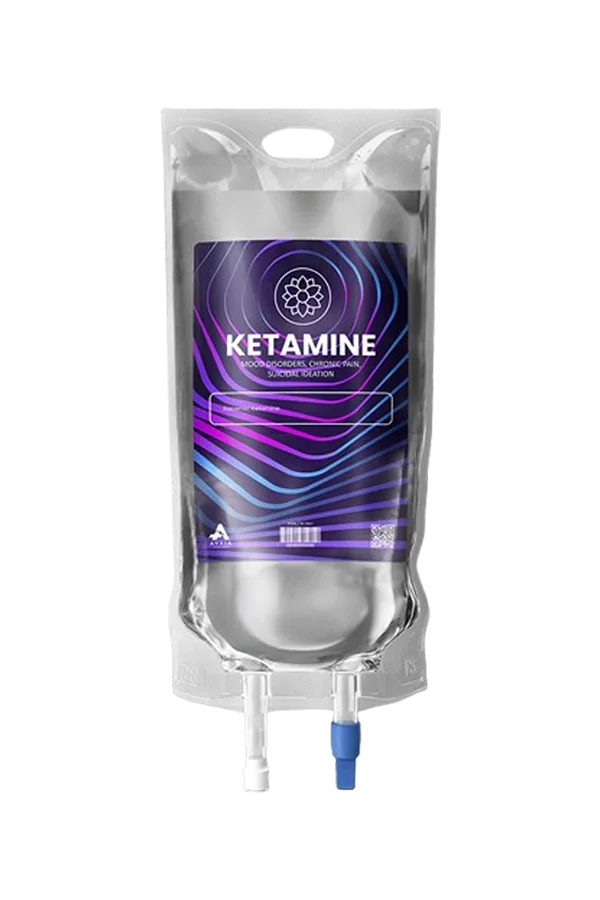
$499 per monitored session6 sessions over 2-3 weeks
Includes telehealth, home visits and medication
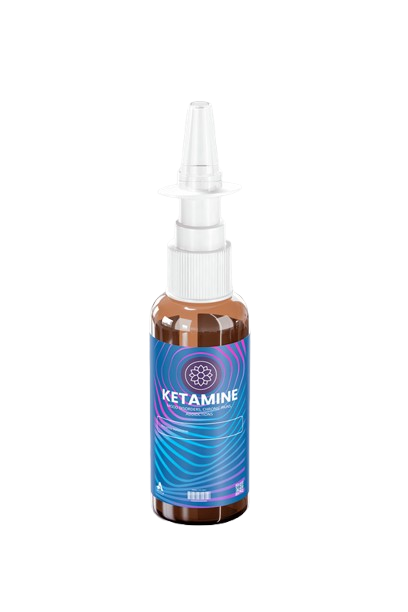
$449 per monitored session8 sessions over 4 weeks
Includes telehealth, home visits and medication
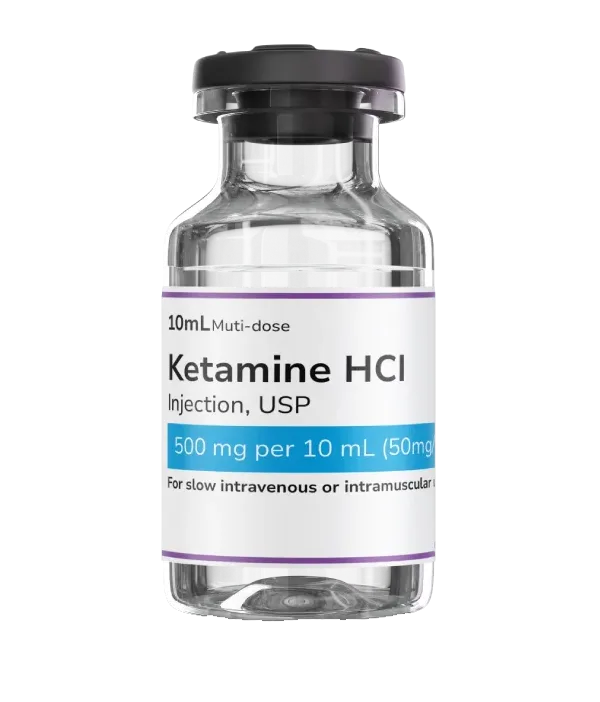
$429 per monitored session8 sessions over 3-4 weeks
Includes telehealth, home visits and medication
Under the supervision of a trained clinician, ketamine is safe and effective. Ketamine has a safety track record stemming from the 1960s to 1970s, where it was used initially as an anesthetic. Side effects are typically infrequent or well-tolerated, as AVYIA’s program uses lower doses of ketamine compared to anesthetic doses. Ketamine’s dissociative effects are also called out-of-body experiences, psychedelic effects, or trips. These effects are short lasting with our IV and intranasal treatment programs, and completely avoided with our microdosing treatments.
Standard therapy for bipolar disorders consists of mood stabilizers, anti-psychotics, and serotonin re-uptake inhibitors, or SSRIs. In an NIH study, SSRI side effects have been reported in approximately 38% of patients taking SSRIs. Often times these side effects are severe or unpleasant. SSRI side effects include worsening a patient’s mental health symptoms, sexual dysfunction, insomnia, headache, dry mouth, nausea, and weight gain. Mood stabilizers and anti-psychotics also have a reputation for potential serious side effects.
Despite all the potential side effects seen in standard therapy pharmaceuticals, we are not encouraging patients to come off of their existing medications, as doing so without medical supervision can be dangerous. We are encouraging patients to explore ketamine as an additional weapon in their arsenal to combat mental health disorders. Patients should continue working with their mental health providers even after ketamine treatments are completed.
etamine should not be administered to patients experiencing active mania, hypomania, or psychosis, as its psychoactive properties may worsen these symptoms and lead to negative outcomes.
For individuals with bipolar disorder, ketamine therapy may be considered during periods of bipolar depression, but only when the patient is in remission from manic or hypomanic states.
Before starting treatment, your AVYIA provider will carefully evaluate your current medical and psychiatric status to determine whether ketamine is appropriate and safe for you at that time.
While ketamine can be effective through multiple routes, the experience, onset, and intensity of effects vary depending on how it’s administered.
Intravenous (IV) ketamine is considered the gold standard, as it delivers 100% of the medication directly into the bloodstream. This route allows for precise dose control and a steady, consistent infusion, resulting in a smoother therapeutic experience. It typically requires 6 sessions over 2–3 weeks.
Intranasal administration offers a needle-free option and has a faster, more abrupt onset of effects. While it avoids IV access, it generally requires 8 sessions to match the efficacy of IV therapy. Both routes—IV and intranasal—can achieve similar results by the end of the full treatment program. The choice often depends on patient preference, comfort, and clinical considerations.
Intramuscular (IM) ketamine involves a single injection into the muscle and provides rapid absorption and high bioavailability. Like intranasal, it typically requires 8 sessions and is a great alternative when IV access is difficult or when shorter in-home or in-clinic visits are preferred.
Oral microdosing follows a different therapeutic approach. Patients take low daily doses using sublingual (under the tongue) tablets to avoid dissociative or psychedelic effects. While the onset of symptom relief may be slower compared to IV, IM, or intranasal routes, many patients still report feeling better within the first few days, and in some cases, even after the first dose.
Results vary from patient to patient, but current research shows promising outcomes for individuals with bipolar depression (the depressive phase of bipolar disorder).
When reviewing the most recent body of scientific literature on ketamine infusions, approximately 60–80% of patients reported mood improvement after multiple treatments. A 2020 review by Wilkowska et al. reported a 63.2% to 73.7% remission rate following six low-dose ketamine treatments. In contrast, single-session treatments were less effective, highlighting the importance of completing a full treatment protocol.
At AVYIA, we also recommend combining ketamine infusions with ketamine-assisted psychotherapy (KAP)—a therapeutic approach that includes individualized sessions with a licensed therapist. This integrated model is designed to enhance and sustain the positive effects of ketamine treatment for bipolar depression.
AVYIA’s daily microdosing ketamine program is comparable in cost to many standard mental health therapies, yet it has the potential to deliver equal or even superior results—often with a better safety profile. Traditional treatment approaches frequently involve multiple doctor visits, medication trials, and long-term prescriptions, which can significantly increase both time and medical expenses.
While ketamine infusions, injections and nasal spray may carry a higher upfront cost compared to a typical doctor’s visit or medication copay, the potential for rapid and lasting relief from chronic depression can make it a worthwhile investment. When factoring in the impact of untreated depression on work performance, relationships, and quality of life, achieving remission quickly becomes more than just a medical goal—it becomes a valuable investment in your future well-being and happiness.
Yes — ketamine is safe when administered under the supervision of a trained clinician. Since its introduction into clinical trials in the 1990s, low-dose ketamine infusion therapy has consistently been shown to be both safe and effective in treating depression and other mental health conditions. Ketamine has been FDA-approved since the 1970s as an anesthetic, and even at higher anesthetic doses, it has demonstrated a strong safety profile.
Ketamine can induce psychedelic or dissociative effects, which are typically short-lasting. However, patients should not drive or engage in potentially dangerous activities while under the influence. For IV and intranasal treatments, AVYIA requires that a responsible adult be present to accompany and monitor the patient after each session.
Certain medical and psychiatric conditions may contraindicate the use of ketamine, which is why a comprehensive medical screening with AVYIA’s clinicians is required before starting treatment.
For patients with bipolar depression (the depressive phase of bipolar disorder), ketamine therapy typically involves an initial series of 6 to 8 treatment sessions, depending on the route of administration:
IV (intravenous): 6 sessions over 2–3 weeks
IM (intramuscular) or Intranasal: 8 sessions over 3–4 weeks
Oral Microdosing: Daily sublingual doses, gradually titrated over time
The initial phase is designed to help stabilize mood and relieve depressive symptoms. After this, some patients may benefit from occasional booster sessions to maintain results, especially during periods of increased stress or symptom relapse.
It’s important to note that ketamine is only appropriate when the patient is not in an active manic or hypomanic state. Treatment planning will always begin with a thorough medical and psychiatric evaluation to determine readiness and safety.
Yes, ketamine is legal. It has been FDA-approved since 1970 and is widely used in hospitals and clinical settings. In recent years, ketamine has also been prescribed off-label to treat a range of conditions, including acute and chronic pain, as well as various mental health disorders like depression and anxiety.
Prescribing medications off-label is a common and accepted medical practice—in fact, an estimated 20–25% of all prescriptions in the U.S. are off-label. This means healthcare providers use their clinical judgment to prescribe FDA-approved medications for conditions where there is scientific support, even if the specific use is not listed on the original FDA label.
At AVYIA, our clinicians follow established safety protocols and the latest clinical research to ensure ketamine is used responsibly and effectively.
